Reading time:
What dirt trails can teach us about designing energy apps
You ship, you watch where the trails form, and you keep walking the lawn.

Article written by
Hanna Carlsson
One of the odder things we’ve learned is that people on fixed-rate contracts (who, by the literal terms of their contract, are not affected by hourly price swings) love to look at the market price widget. They watch prices go up and down even though it has zero direct impact on their bill.
We suspect it’s the feeling of having agency. In a recent test of a traffic-light concept, we asked users what would motivate them to shift their usage. The majority said ‘’saving money’’, including 92% of fixed-rate users, even though the light was technically useless to them. Most still found the concept useful and said it helped them make decisions. People want to feel clever and in control, and cost-saving is a near-universal motivator.
Never be quick to strip a feature out just because someone’s tariff doesn’t formally reward the behavior, you might be removing the thing that makes them feel like they’re in control.
This is not one of those conclusions you reach intuitively but it is exactly the kind of thing you learn by watching where people walk.

Find the trampled grass
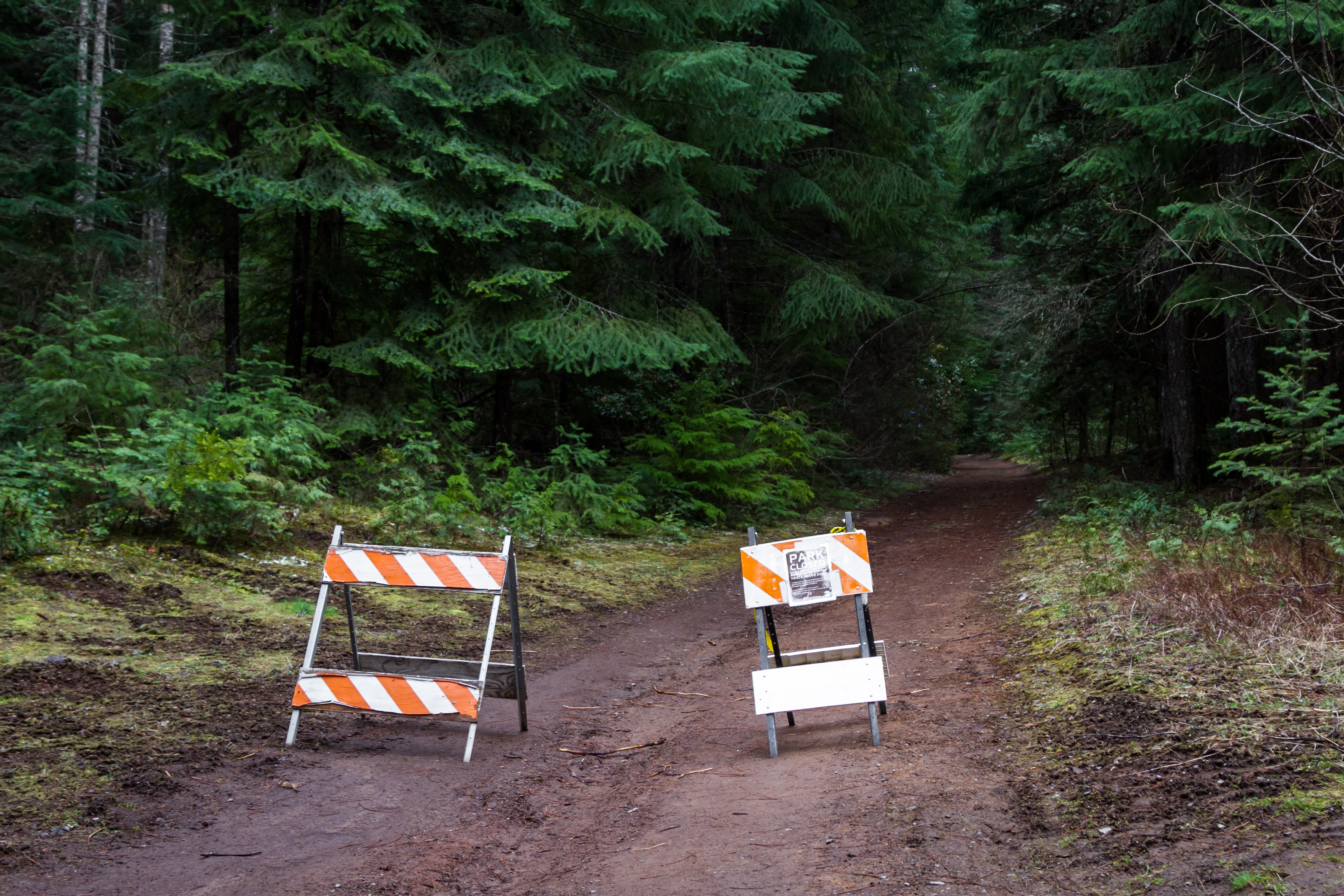
You know those scrappy little dirt trails worn into the grass next to a perfectly good paved walkway? Evidence that someone looked at the paved path, looked at where they were going, did the math, and stepped right. Then the next person did. And the next. Until the ground, more reasonable than most product teams, accepted the feedback and became a dirt path.
Designers call these desire paths. And they can teach us a lot about good app design.
There’s an old design saying: pave the cowpaths. It means don’t fight where people naturally walk. Pave that route. Then plant the flowers around it.
What we found is that most people don’t want all the data but a verdict. ‘Am I doing okay?’ But there’s still a meaningful group who genuinely love to explore graphs and dig into the numbers, and writing them off would be a mistake.
For us, that is in practice leading with what people came for (their consumption, right now), respecting the time they have (a few taps to anything important), and serving the nerdy data lovers, the verdict-seekers, and everyone in between without forcing one to live in the other’s world.
But most lawns have more than one path, often crossing each other. So before you pave anything, you have to figure out who’s walking around out there.
In the energy space, on any given day, you’re designing for at least: prosumers who want every kilowatt-hour accounted for, bill-watchers worried about cost, eco-motivated people, set-and-forget-it crowd, and crisis users surprised by the bill.
The same person rotates through these identities. A prosumer in October becomes a crisis user in January as the cold snap arrives. So when we segment, we identify the use cases the app needs to handle and then ask ourselves what each user needs to do to achieve that and how we can make the journey shorter.
Product under construction, please walk anywhere
Years of walking the same lawns will teach you where most paths go. You don’t need to run a study to confirm that people want to see their consumption when they open an energy app.
Research earns its keep in the territory where the trails haven’t formed yet: flexibility, load shifting, new tariffs, anything where users themselves don’t have a clear mental model. You’re trying to spot where they’re about to walk, before there’s a visible path to follow. There, you start by talking to people. What are they doing today? What’s confusing? Then you sketch a concept, put it in front of users, and watch where they step.
Energy apps have spent a long time being designed for the meter rather than the person. That worked when the product was a bill once a month. Now people want to feel some sense of agency and not be made to feel stupid by the interface in the process, and they want different versions of that depending on who they are and what week of the year it is. If it takes too long to understand what’s going on, people stop coming back. And if they don’t come back, behavior change never happens.
The teams that design customer-centric products are the ones who can hold more than one user in their head at the same time. You ship, you watch where the trails form, and you keep walking the lawn.
Hanna Carlsson
Article written by
Hanna Carlsson


